Responsible Travel
The Best Thing You Can Do for Africa's Wild Places? Travel There, But Travel Smarter
Eight practical things travellers rarely think to do, drawn from work with South African tourism properties measuring and managing their operational emissions.
Duncan Pritchard ·
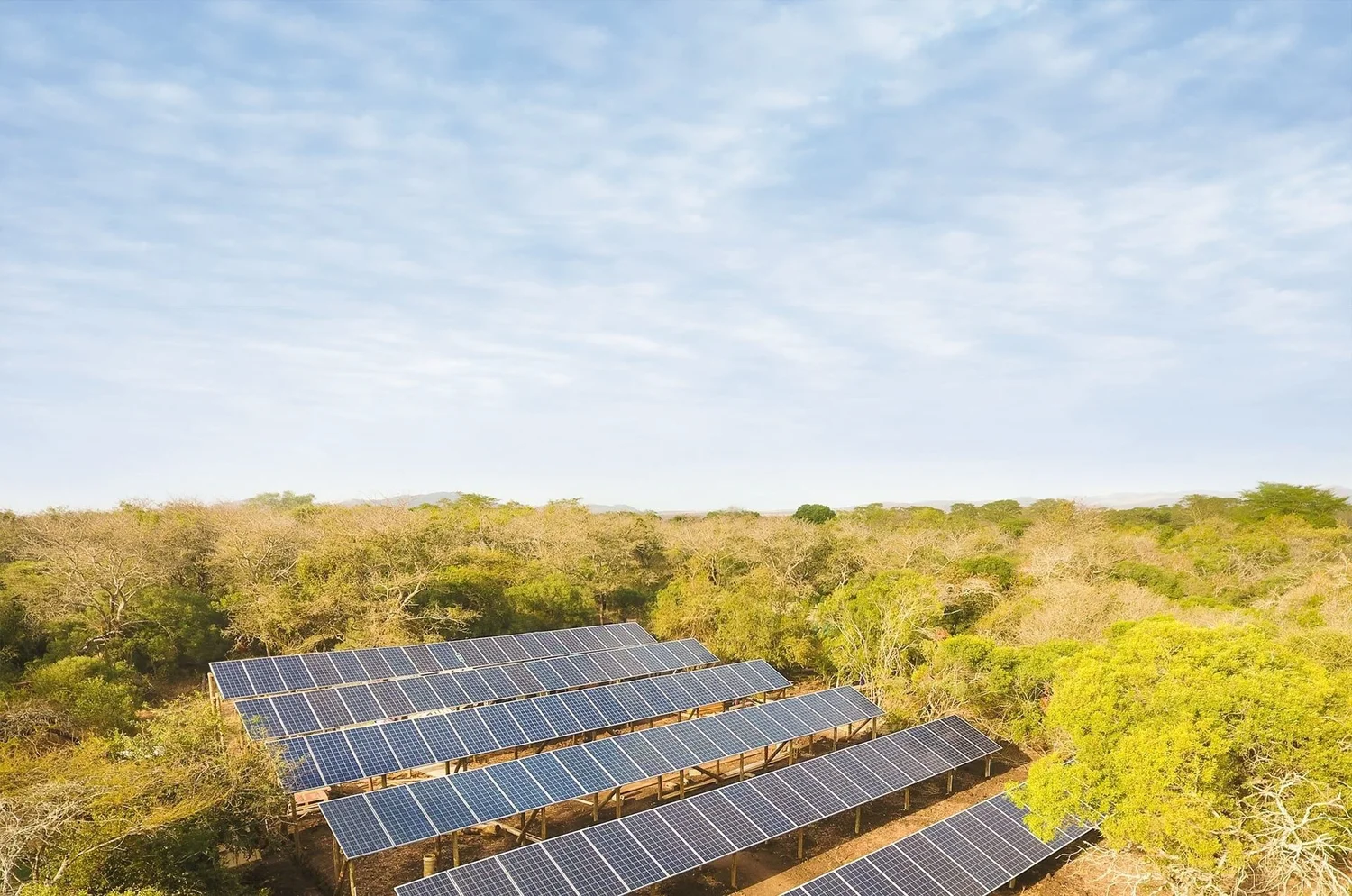
Around World Environment Day, tourism's environmental impact returns to the top of the agenda. Down on the southern tip of Africa, a quiet shift is underway in how the industry thinks about that impact.
A pilot programme led by travel company kimkim, in partnership with the Wilderness Leadership School, ETC Africa and The Eco-Travel Boutique, worked with 25 South African tourism properties to measure and better understand their operational carbon footprints, and to give travellers clearer information about the places they stay.
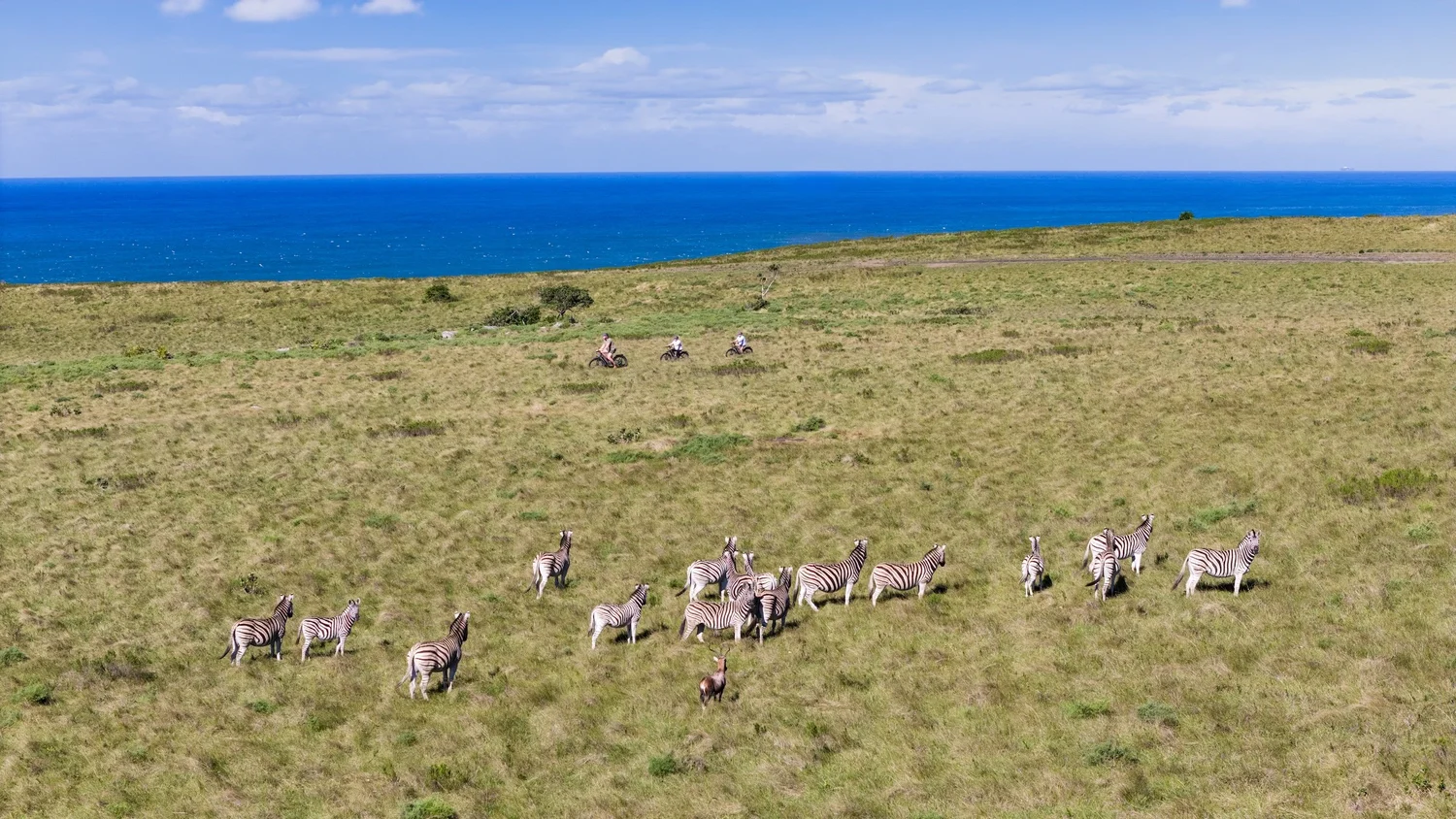
South Africa's wild landscapes hold substantial carbon in their soils, trees and grasslands, and they depend on communities having a tangible economic reason to protect them. Tourism structured to channel real revenue into local employment and conservation is one of the ways that reason is sustained. The question is not simply whether to visit, but whether a visit is planned in a way that supports the place.
“The greatest environmental challenge isn't travel, it's disconnection. When guests witness wildlife, engage with local communities, or simply stand in a wild place, that's when real conservation commitment takes root. Measuring a property's carbon footprint gives that commitment a measurable backbone.”

“Our goal with every traveller is to help them connect to the community and culture of their destination. When tourism is done thoughtfully, it really can be a force for good.”
Programmes like this one can only do so much. The properties do the work of measuring and reducing. The traveller is the other half of the equation, and the most useful choices available to guests are often the least obvious ones.
Eight things most travellers never think to do
- 01
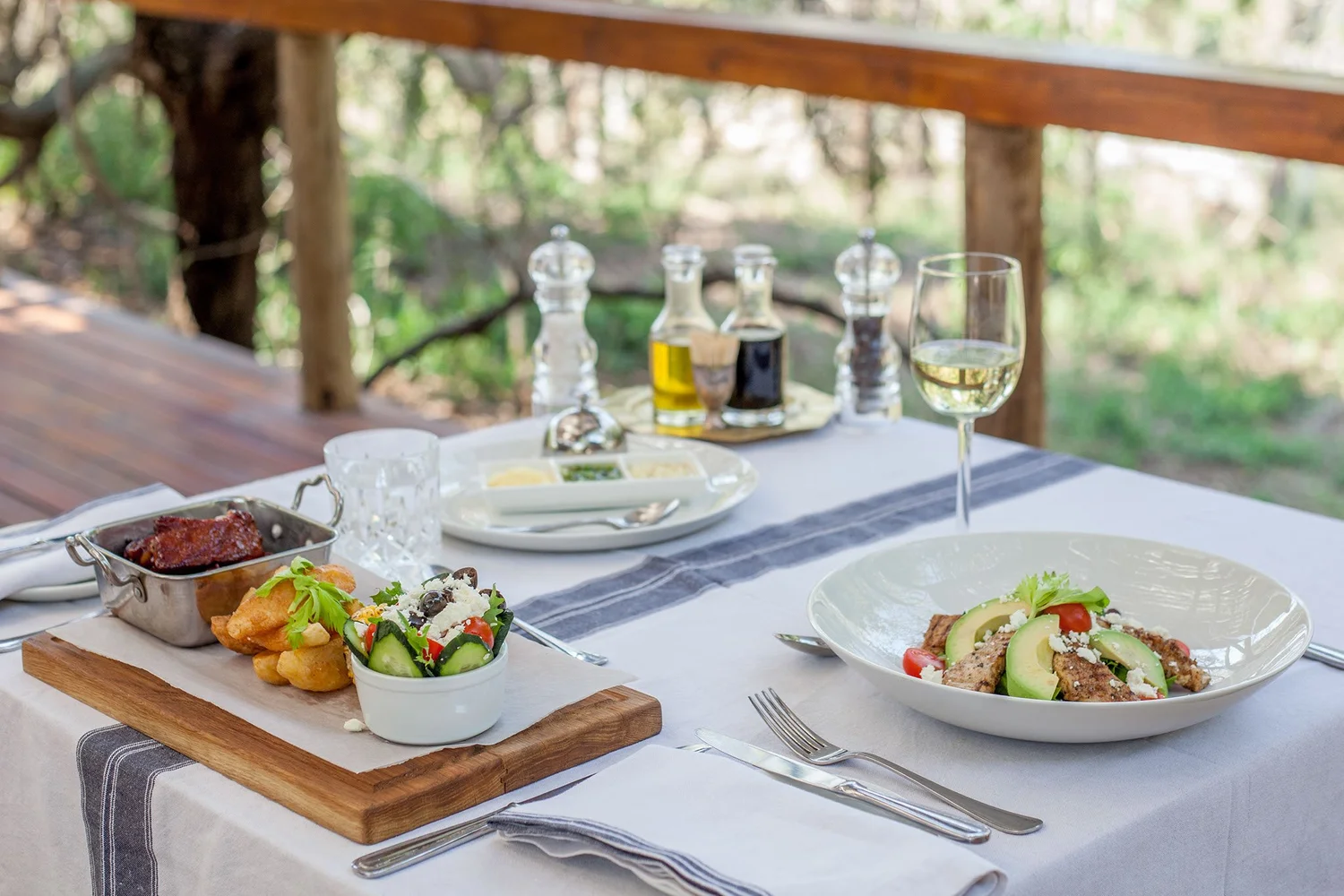
Ask where the food comes from. Food and its transport can be a meaningful share of emissions at remote safari properties. Ask whether produce is sourced locally, and remember that locally raised meat can carry a lower transport footprint than vegetables flown in from overseas. Properties that can answer this fluently are usually the ones worth staying with.
- 02
Skip the safari wardrobe. Buying an entirely new wardrobe for a two-week trip carries a real footprint of its own. Pack what you have. Neutral tones are already in most wardrobes, and the wildlife does not care about the brand.
- 03
Flag dietary requirements weeks before arrival, not at check-in. Remote camps often sit hours from the nearest town. A last-minute request can mean a long round trip for a single ingredient: unnecessary emissions, unnecessary cost, and a flustered kitchen. Tell them at booking.
- 04
Ask for a guide with roots in the area. A guide who grew up nearby brings knowledge no training programme fully replicates: seasonal patterns, local history, the sounds that do not appear in field guides. Request one specifically, and tip generously; that money enters a local economy directly.
- 05
Resist the urge to chase the next sighting. Game-drive vehicles are typically among the largest sources of operational emissions at a safari lodge. Every unnecessary kilometre has a cost. The guests who come home with the best stories are rarely the ones who ticked the most boxes. Ask for walking safaris where they are offered.
- 06
Choose one longer trip over two short ones. The carbon cost of a long-haul flight is concentrated in take-off and landing, so a single longer trip carries a lower emissions-per-day profile than two separate short visits. The experience is usually better too.
- 07
Ask about the property's carbon work before you arrive. Not every lodge that says 'eco' has done the work. Ask whether they measure their emissions, whether those figures are independently assessed, and what specific conservation activity your stay supports. Good properties will have real answers.
- 08
Ask how you can leave more than you took. The best lodges will have answers ready: an anti-poaching initiative, a community garden, a rewilding programme that needs support. Ask anyway, even if they do not. Properties pay attention to what guests care about.
About the original pilot
The kimkim Climate Action Pilot Programme was implemented through the Wilderness Leadership School, with technical assessment by ETC Africa and market access supported by The Eco-Travel Boutique. Participating properties that completed the programme published independently assessed operational emissions information through Verified Impact.
Verified Impact is an assessment and reporting framework, not a certification. It sets out what was measured, how a property compares in context, and the direction of travel over time. Positive contributions to conservation and communities are recorded separately from operational emissions, and neither cancels the emissions of travel itself.
Properties interested in taking part can find current arrangements on the Get Involved page.
Next step
See what participating properties actually report.
The Verified Properties registry publishes independently assessed operational emissions information for participating properties.
More insights
Related reading
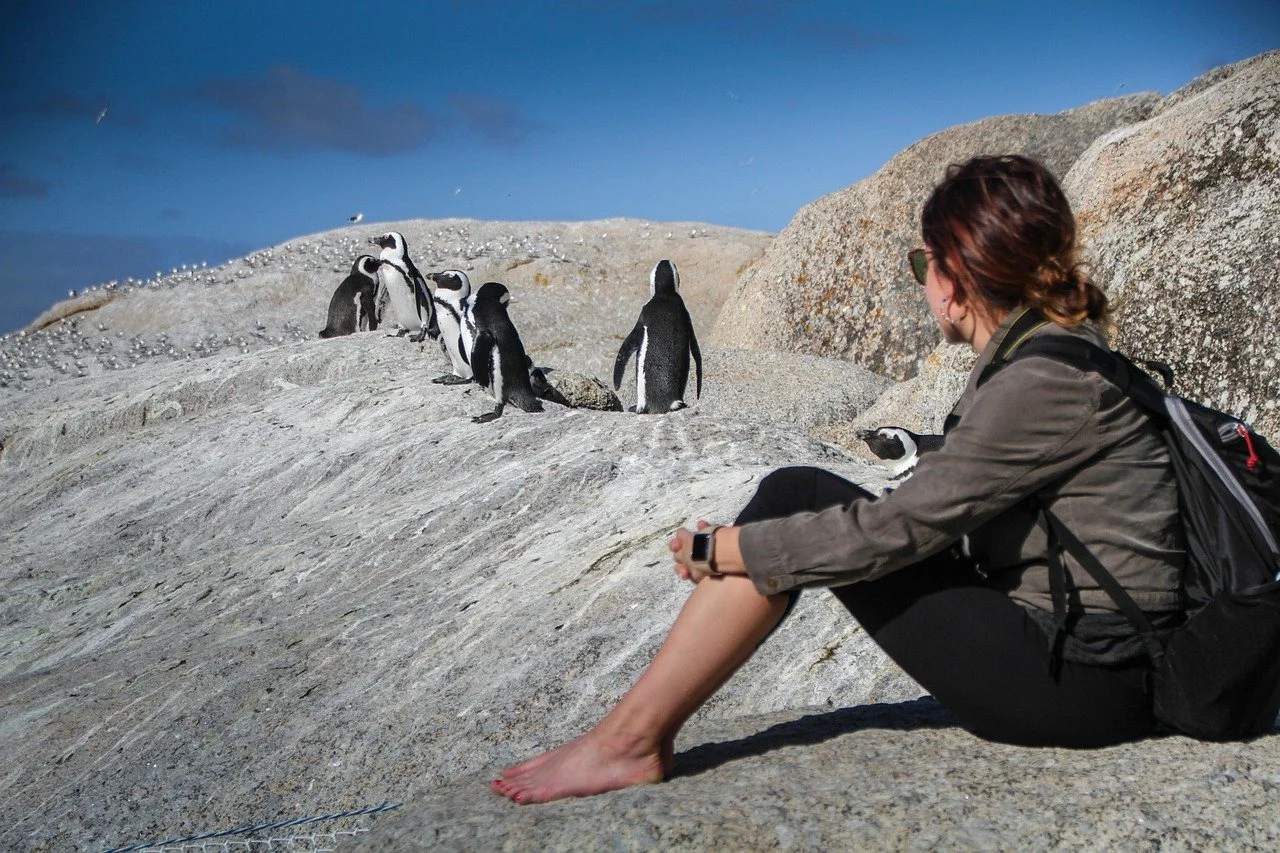
Responsible Travel
Does Your African Trip Actually Help Africa?
A traveller's guide to better questions: what a property measures, what sits inside its boundary, how good the evidence is, how it compares in context, and where performance is heading.
13 February 2026 · Duncan Pritchard
Read article
Project News
International Climate Action Pilot Programme in South Africa Positions Tourism as a Force for Conservation
A kimkim-funded climate action pilot designed to support approximately 25 South African tourism properties with carbon baselines, contextual benchmarking and in-house capacity building.
14 April 2026 · Duncan Pritchard
Read article
Knowledge Series
Climate Performance Knowledge Series
Practical online learning to help tourism teams understand carbon reporting, improve records, identify operational opportunities and communicate climate work confidently.
30 June 2026 · Duncan Pritchard
Read article